 Cart is empty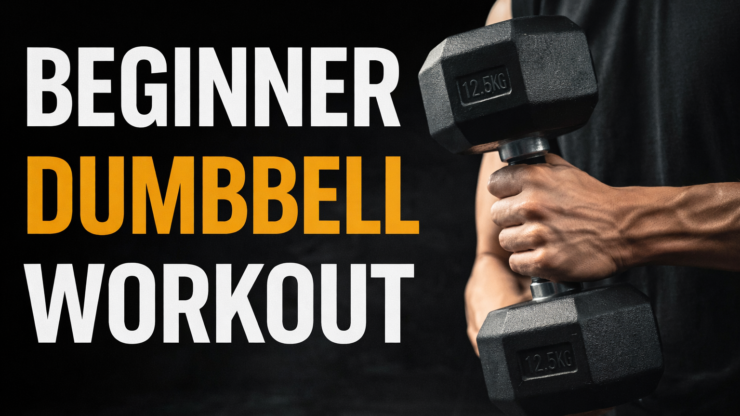
Starting your fitness journey can feel confusing. You see so many exercises online, so many routines, and so many terms that make everything look complicated.
But the truth is simple.
If you are a beginner, you only need one thing to start building strength:
A pair of dumbbells.
A good beginner dumbbell workout is safe, easy, and effective for anyone. Whether you want to build strength, tone your body, burn fat, or simply look more athletic, dumbbells can help you get there.
This guide covers everything you need — exercises, form tips, weekly plans, and a realistic approach that fits your busy life.
Let’s begin.
Why Dumbbells Are Perfect for Beginners
If you are new to strength training, dumbbells are the safest and smartest option.
Here’s why a beginner dumbbell workout works so well:
-
They are easy to handle
-
They improve strength without stress on joints
-
They help fix weak muscles and improve balance
-
They don’t need much space
-
You can progress slowly
-
They train your full body
You don’t need a gym.
You don’t need expensive machines.
You don’t need years of experience.
Just a focused routine and a bit of consistency.
How to Choose the Right Dumbbell Weight
Choosing the wrong weight is one of the biggest beginner mistakes.
Here’s the best rule:
👉 Pick a weight you can lift 12–15 times with good form, but the last 2 reps should feel tough.
For most beginners:
-
Men: 3 kg to 7.5 kg
-
Women: 2 kg to 5 kg
As you get stronger, increase the weight slightly.
This slow progression is key to results.
Full Body Beginner Dumbbell Workout
This section includes simple exercises that target all major muscles.
Complete this routine 3–4 days a week.
1. Dumbbell Squat
This exercise targets your legs, hips, and core.
How to do it:
-
Hold dumbbells at your sides
-
Stand with feet shoulder-width apart
-
Sit back like you’re sitting on a chair
-
Push through your heels
-
Stand up straight
Reps: 12–15
Sets: 3
2. Dumbbell Deadlift
This strengthens your hamstrings and lower back.
How to do:
-
Dumbbells in front
-
Keep your back straight
-
Push hips back
-
Lower dumbbells to mid-shin
-
Return to standing
Reps: 10–12
Sets: 3
3. Dumbbell Bench Press (or Floor Press)
If you don’t have a bench, use the floor.
Targets: Chest, shoulders, triceps
How to do:
-
Lie down
-
Hold dumbbells at chest level
-
Press upward
-
Lower slowly
Reps: 10–12
Sets: 3
4. Dumbbell Shoulder Press
Builds strong shoulders and upper arms.
How to do:
-
Sit or stand
-
Lift dumbbells to shoulder height
-
Press overhead
-
Lower gently
Reps: 10–12
Sets: 3
5. Dumbbell Row
This improves posture and strengthens your back.
How to do:
-
Support your body on a bench or chair
-
Pull the dumbbell toward your ribs
-
Keep your back straight
-
Lower slowly
Reps: 12 per side
Sets: 3
6. Dumbbell Bicep Curl
A classic arm-building exercise.
How to do:
-
Hold dumbbells with palms up
-
Curl them toward your shoulders
-
Lower slowly
-
Avoid swinging
Reps: 12–15
Sets: 3
7. Dumbbell Tricep Extension
This tones the back of your arms.
How to do:
-
Hold one dumbbell with both hands
-
Lift it overhead
-
Bend your elbows
-
Lower behind your head
-
Raise back up
Reps: 12–15
Sets: 3
8. Dumbbell Farmer Walk
Great for grip, shoulders, and core.
How to do:
-
Hold dumbbells at your sides
-
Stand tall
-
Walk 20–30 seconds
-
Keep your back straight
Sets: 2–3
Weekly Beginner Dumbbell Workout Plan
Follow this simple plan:
Day 1 — Full Body
Squats
Bench Press
Rows
Bicep Curls
Tricep Extensions
Day 2 — Rest or Light Walking
Day 3 — Full Body Variation
Deadlifts
Shoulder Press
Rows
Squats
Farmer Walk
Day 4 — Rest
Day 5 — Full Body
Repeat Day 1 or Day 3
How to Warm Up Before the Workout
Warm-up increases blood flow and prevents injuries.
Do this 5-minute warm-up:
-
Arm circles (30 seconds)
-
Marching in place (1 minute)
-
Bodyweight squats (30 seconds)
-
Light stretching (2 minutes)
A proper warm-up makes a huge difference, especially for beginners.
Cool Down After the Workout
This helps your muscles recover faster.
Cool-down routine:
-
Light walking (1 minute)
-
Hamstring stretch
-
Quad stretch
-
Shoulder stretch
-
Deep breathing
Common Mistakes Beginners Should Avoid
A beginner dumbbell workout is simple, but mistakes can slow progress.
Here are the most common ones:
-
Lifting too heavy
-
Relying on speed instead of form
-
Not warming up
-
Skipping leg workouts
-
Training daily with no rest
-
Holding breath while lifting
-
Not eating enough protein
-
Ignoring posture
Avoiding these increases safety and results.
How to Track Progress
You don’t need fancy apps.
Track these simple things:
-
Weight lifted
-
Number of reps
-
How your energy feels
-
Body measurements
-
Progress photos
Small improvements every week lead to big transformations.
Nutrition Tips for Better Results
Your workout is only half the picture. Nutrition completes it.
Here are basic rules:
-
Eat more protein (eggs, paneer, chicken, dal)
-
Drink enough water
-
Add fruits and vegetables
-
Don’t skip meals
-
Avoid too much junk food
-
Sleep 7–8 hours
Your body grows during rest, not during exercise.
How Long Until You See Results?
If you follow this beginner dumbbell workout consistently:
-
2 weeks: better energy
-
4 weeks: stronger muscles
-
8 weeks: visible shape
-
12 weeks: clear body changes
Everyone grows at a different pace, but consistent effort always pays off.
Motivational but Professional Advice
No one becomes strong overnight.
Everyone begins somewhere.
You don’t need perfect equipment.
You don’t need the perfect routine.
You only need two things:
-
A simple plan
-
A clear reason to start
Your body will respond if you stay patient and consistent.
Conclusion
A beginner dumbbell workout is one of the easiest and safest ways to start your strength journey. It helps you build strong muscles, better posture, and more confidence — without needing a gym.
Start with light weights, focus on form, increase slowly, and stay consistent.
Your future strength begins with your first set.
Begin today, not someday.
[…] Dumbbell […]