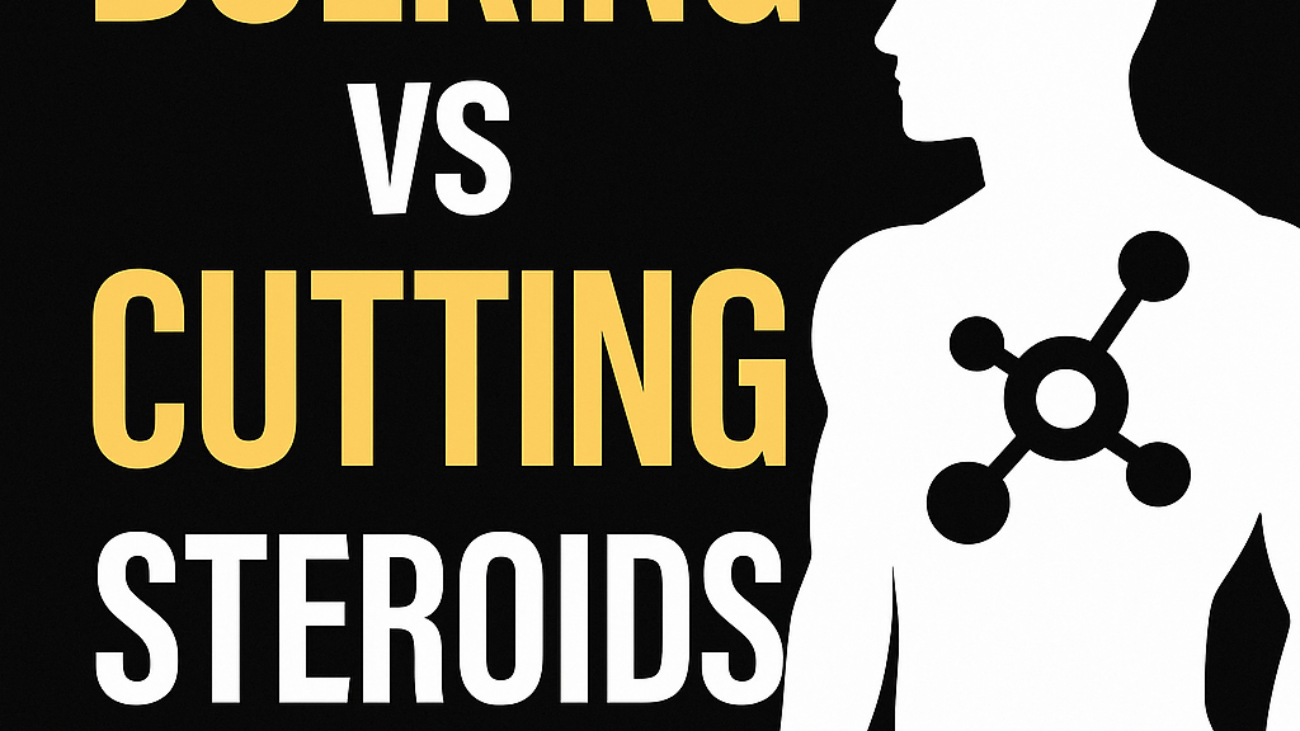
bulking vs cutting steroids

Bulking vs Cutting Steroids – When and Why They Are Used (Awareness Guide)

When you step inside a gym, scroll through fitness pages, or watch transformation videos, you’ll often hear two words: bulking and cutting. These words shape the entire bodybuilding world. And connected to them is another topic people whisper about — steroids.

Some lifters use steroids to bulk faster, cut quicker, and push beyond natural limits.
But most beginners don’t really understand how bulking vs cutting steroids differ, why people use them, or what actually happens inside the body.

In this awareness guide, we’re going to look at everything in a clean, simple, and easy-to-understand way. No complex science. No hype. No fear talk. Just clear, honest information to help you understand the real picture.


What Are Bulking and Cutting?

Before we even talk about steroids, let’s break down the basics.

Bulking

Bulking is when a person intentionally eats more calories than they burn.
Goal:

  • gain muscle

  • get stronger

  • increase size

  • lift heavier

Naturally, bulking also leads to some fat gain.

Cutting

Cutting is when a person reduces calories to burn fat.
Goal:

  • lose body fat

  • maintain muscle

  • look lean and defined

Cutting is basically “revealing the work you built during the bulk.”

Now let’s talk about how steroids fit into these two phases.


Why People Use Steroids During Bulking

This section focuses on awareness — not encouragement.

In a bulking phase, steroid users often want:

  • faster muscle growth

  • bigger strength boosts

  • quicker recovery

  • less muscle soreness

  • higher training volume

Bulking steroids mimic or enhance testosterone, which is your body’s main muscle-building hormone.

How Bulking Steroids Work (Simple Version)

They help the body:

  • increase protein synthesis

  • reduce muscle breakdown

  • boost red blood cells

  • improve recovery

  • heighten training capacity

All of this leads to rapid muscle growth, much faster than natural training allows.

Common Bulking Steroids (Awareness Only)

(Not promoting — just explaining what people refer to)

  • Testosterone esters

  • Dianabol

  • Deca (Nandrolone)

  • Trenbolone (high risk)

Again, this is awareness. These compounds can bring serious risks — which we’ll cover later.


Why People Use Steroids During Cutting

A cutting phase is all about fat loss while keeping as much muscle as possible.

The problem?

When you lose fat, your body naturally wants to burn muscle too.

This is where steroid users rely on cutting steroids to help them:

  • preserve muscle

  • stay strong during low calories

  • increase fat loss

  • maintain energy

  • keep a “fuller” muscle look

How Cutting Steroids Work (Simple Version)

Cutting steroids help the body:

  • burn fat faster

  • hold onto muscle

  • stay energized on low calories

  • improve vascularity

  • maintain strength

Common Cutting Steroids (Awareness Only)

  • Winstrol

  • Anavar

  • Masteron

  • Primobolan

These steroids are known for helping with hardness, leanness, and fat reduction — but they still carry health risks.


Bulking vs Cutting Steroids – The Key Difference

Here’s where our primary keyword comes in naturally.

Understanding bulking vs cutting steroids is simple once you see how they work:

Bulking Steroids

  • focus on size

  • increase appetite

  • boost strength

  • cause water retention

  • push fast muscle growth

Cutting Steroids

  • help maintain lean muscle

  • reduce water retention

  • enhance fat burning

  • support energy on low calories

In short:

Bulking steroids build. Cutting steroids refine.
Different goals → different effects → different compounds.


When Steroids Are Typically Used (Awareness Only)

Fitness “cycles” usually separate these phases.
(Not promoting — just explaining behavior seen in bodybuilding culture.)

During Bulking Season

People may use bulking steroids to grow as much muscle as possible before cutting.

During Cutting Season

Cutting steroids help preserve muscle while dieting down for:

  • summer

  • photoshoots

  • competitions

  • events

Why People Cycle Steroids

Steroid users often create cycles to:

  • avoid long-term shutdown

  • reduce side effects

  • give the body breaks

Again — this is awareness, not recommendation.


Why Steroids Look “Effective” — The Psychological Factor

Here comes the psychologist angle you wanted.

Many people turn to steroids for emotional reasons:

1. Body Image Pressure

Social media shows shredded physiques that look impossible naturally.

2. Slow Natural Progress

Beginners get impatient with slow gains.

3. Comparison

Seeing others grow faster creates insecurity.

4. Fear of Losing Status

Influencers feel pressure to maintain a certain look.

5. Sense of Identity

Some people rely on their physique for confidence.

Understanding these emotional drivers helps people make healthier choices.


Short-Term Effects of Steroids (Awareness)

Positive Effects (Short-Term)

People may notice:

  • faster size increases

  • better workouts

  • improved confidence

  • higher aggression during training

  • quicker recovery

These short-term effects are why steroids tempt many beginners.

Negative Effects (Short-Term)

  • mood swings

  • oily skin

  • acne

  • water retention

  • irritability

  • appetite changes

Even early use can bring emotional ups and downs.


Long-Term Risks (The Part Many Ignore)

This is the most important section for awareness.

1. Hormonal Shutdown

When steroids enter the body, natural testosterone shuts off.

Long-term effects:

  • low libido

  • erectile issues

  • emotional instability

  • depression

  • low energy

2. Liver Stress

Mostly from oral steroids.

3. Heart and Cholesterol Problems

Steroids can:

  • raise bad cholesterol

  • reduce good cholesterol

  • increase heart attack risk

  • cause blood thickening

4. Fertility Problems

Lower sperm count is common with long-term use.

5. Mental Health Changes

Long-term use can lead to:

  • anxiety

  • aggression

  • paranoia

  • dependency

6. Skin and Hair Changes

  • hair loss

  • acne

  • shrunk testicles (“testicular atrophy”)

These risks matter more than short-term muscle gains.


Natural Alternatives to Steroids (Safer Choices)

You can get impressive body changes naturally by focusing on:

✔ Strength Training

Progressive overload works wonders.

✔ Proper Diet

Protein + healthy fats + whole foods.

✔ Sleep

7–8 hours supports testosterone.

✔ Supplements

Safe options include:

✔ Consistency

The real “secret weapon.”


Bulking vs Cutting Steroids – Awareness Summary

Here’s everything in one simple list:

  • Bulking steroids are used for size, strength, and muscle gain.

  • Cutting steroids are used for fat loss, muscle preservation, and definition.

  • People use them during different phases of bodybuilding.

  • Steroids can produce fast results but come with real long-term risks.

  • The emotional and psychological pressures behind steroid use are often ignored but very real.

Now you understand the complete picture — not to use steroids, but to be aware of how and why they’re used.

How Steroid Injection Affects Your Gym Life & Muscles


Final Thoughts: Make Choices That Protect Your Future

Muscles fade.
Trends fade.
But your health stays with you forever.

Before thinking about bulking vs cutting steroids, think about your long-term well-being. Fast results can tempt anyone, especially beginners. But slow, steady, natural progress is far safer — and more rewarding in the long run.

Choose consistency.
Choose education.
Choose your health.

Your body is the only one you get. Honor it.

bulking vs cutting steroids,

Low Testosterone Symptoms in Men

Low Testosterone Symptoms in Men (18–35) – Complete Guide

Feeling tired all the time? Losing your drive? Struggling to stay focused?
Many young men experience these issues without knowing the real cause. One of the most common — yet most ignored — reasons is low testosterone.

In this complete guide, we’ll talk about low testosterone symptoms in men, especially ages 18–35. The goal is simple: help you understand what’s happening in your body, why it matters, and how you can take control of your health again.


What Is Low Testosterone?

Testosterone is your body’s main male hormone. It supports mood, energy, strength, sex drive, and even confidence.
When levels drop below normal, your body starts sending signals — sometimes slowly, sometimes strongly.

Many young men ignore these signs because they think low testosterone only affects older men. But that’s not true. Lifestyle stress, poor sleep, diet, and even modern habits can lower T-levels earlier than ever.


Signs You May Have Low Testosterone

Below are the most common low testosterone symptoms in men aged 18–35. If several of these feel familiar, it might be time to pay attention.

1. Low Energy and Constant Fatigue

You wake up tired. You push through the day. You crash early.
Even after resting, your body feels drained. This is often one of the first signs men notice.

2. Drop in Sex Drive

A sudden decrease in libido can feel confusing and frustrating.
It’s not lack of interest — it’s your hormones sending a message.

3. Mood Changes and Irritability

Low testosterone can make you feel:

  • irritated more easily

  • less patient

  • emotionally flat

  • sad or low for no reason

Mental health and hormones are closely connected.

4. Trouble Building Muscle

You hit the gym. You work hard. But the results come slow — or stop.
Low testosterone weakens muscle growth and lowers strength.

5. Increased Body Fat

Many men with low T notice fat building around their belly or chest. This happens because testosterone helps regulate fat storage.

6. Low Motivation or Mental Fog

If you feel distracted, unmotivated, or unfocused, it might be more than stress.
Low T affects clarity, drive, and mental sharpness.

7. Difficulty Sleeping

Insomnia, restless sleep, or waking up multiple times at night can also be a symptom.

8. Hair Thinning

Testosterone supports hair growth. Low levels may cause thinning, slow growth, or patchiness.


Why Young Men Experience Low Testosterone Today

Many young men think this only happens later in life, but the truth is different.
Modern lifestyle habits can lower testosterone even in your 20s.

Common Triggers:

  • too much stress

  • poor sleep

  • lack of physical activity

  • excessive alcohol

  • junk food and nutrient deficiencies

  • weight gain

  • long screen time and low sunlight

  • certain medications

Even small habits can add up and impact overall hormone balance.


How Low Testosterone Affects Daily Life

Low testosterone isn’t just a “health issue.” It affects your confidence, relationships, goals, and self-image.

Impact on Personal Life

  • lack of interest in intimacy

  • low energy for hobbies

  • decreased confidence

Impact on Work and Study

  • forgetfulness

  • poor concentration

  • slow productivity

Impact on Fitness

  • slow recovery

  • weak muscle gains

  • more body fat

Understanding your symptoms is the first step to getting better.


When Should You See a Doctor?

If you experience several low testosterone symptoms in men, it’s wise to get your hormone levels tested.
A simple blood test can give clear answers.

Seek medical advice if:

  • symptoms last more than a few months

  • your mood or energy affects daily life

  • libido issues impact your relationships

  • you feel depressed or emotionally burnt out

Healthcare is self-care — not weakness.


Natural Ways to Boost Testosterone

You can support your body naturally by making small, consistent changes.

1. Sleep 7–8 Hours

Proper sleep helps your body produce hormones correctly.

2. Lift Weights

Strength training is one of the best natural ways to increase testosterone.

3. Eat Enough Protein and Healthy Fats

Foods like eggs, fish, nuts, and lean meats support hormone production.

4. Reduce Stress

Chronic stress increases cortisol, which lowers testosterone.

5. Get Sunlight or Vitamin D

Sunlight is a natural booster for your hormones and mood.

6. Maintain a Healthy Weight

Fat cells can reduce testosterone levels. Fitness improves balance.

7. Limit Alcohol

Too much alcohol interferes with hormone production.

8. Prioritize Mental Health

Your mind and hormones are deeply connected.

These may sound simple, but they create massive differences when done consistently.


Myths About Low Testosterone in Young Men

Let’s clear a few misunderstandings:

“Only old men get low testosterone.”

Not true. Young men are facing hormone imbalance more than ever.

“If I feel tired, it’s normal.”

Being tired every day is not “normal.” It might be a sign.

“Boosters will solve everything.”

Supplements alone don’t fix hormonal imbalance. Lifestyle matters more.

“Low testosterone is rare.”

It’s more common today due to stress, food quality, and sleep problems.


How Testing Works

Testing for testosterone is simple and quick.

What to Expect:

  • A basic blood test

  • Results usually arrived in a day or two

  • Doctors check total and free testosterone levels

You don’t need to feel nervous — it’s routine, and many men do it every year.


Final Thoughts: Take Charge of Your Health

Low testosterone symptoms in men can impact life in many ways — energy, mood, confidence, and even relationships.
But the good news? You can take control.

Pay attention to your body.
Notice the signs.
Make small changes that support your health.

If you feel something is off, talk to a healthcare provider. You deserve to feel strong, focused, and confident again.

Read Also – how-to-increase-testosterone-naturally

low testosterone symptoms
day 3 upper body workout

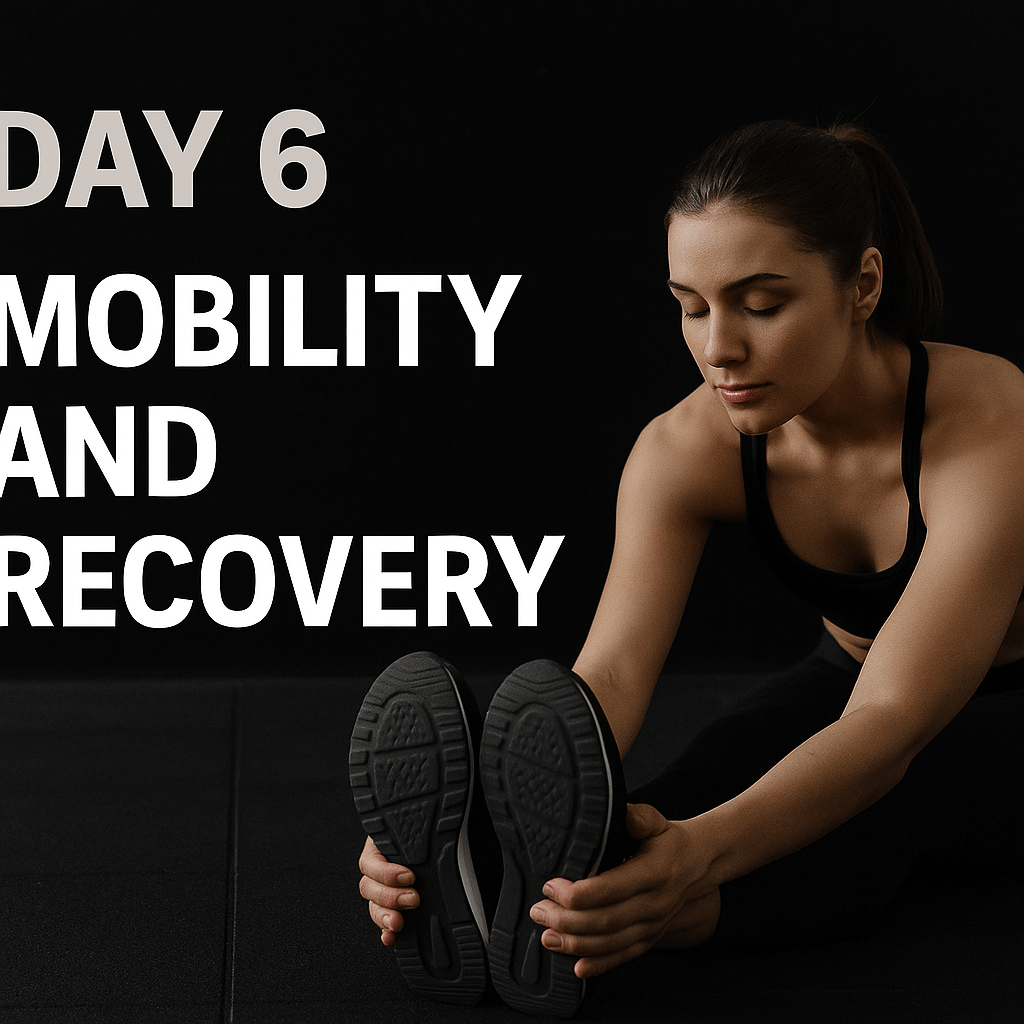
🧘 Day 6: Mobility and Recovery — Recharge Your Body, Relax Your Mind

Welcome to Day 6 of your fitness journey! 💫
You’ve pushed hard over the past few days — lifting, sweating, and giving your all. Now it’s time for something just as important: rest and recovery.

day 3 upper body workout

Today isn’t about going harder. It’s about going smarter.
This Mobility and Recovery Workout helps your muscles repair, improves flexibility, and resets your energy so you’re ready for your next challenge.

Think of it as a gentle tune-up for your body — restoring balance, mobility, and calm.


🌿 Why Mobility and Recovery workout Matter

Most people skip recovery, but it’s actually when the magic happens.
Your muscles grow stronger after your workouts — not during them.
Skipping mobility work can lead to stiffness, poor posture, and even injury.

This Mobility and Recovery Workout does three powerful things:

  • Loosens tight muscles

  • Boosts blood circulation

  • Relaxes your nervous system

It’s not just rest — it’s active restoration.


💪 Focus of the Day: Mobility and Recovery Workout

Today’s goal is simple:
Move gently, breathe deeply, and let your body heal.

This workout combines light yoga flow, deep breathing, and stretching to reset both your body and mind.
No weights. No rush. Just presence.


🧍‍♀️ Warm-Up (2 Minutes)

Before easing into deeper stretches, warm up your upper body to release tension.

Warm-Up Plan:

  • Neck stretches – 1 minute

  • Shoulder rolls – 1 minute

How to do it:

  • Drop your chin slowly toward your chest and gently roll your neck side to side.

  • Lift your shoulders up to your ears, then roll them back in smooth circles.

Feel the stiffness fade with each slow breath.
This warm-up preps your muscles for deeper movement.


🧘‍♀️ Main Routine (15 Minutes Total)

You’ll go through a 10-minute yoga flow and a 5-minute deep breathing session.
Find a quiet space, dim the lights, and move at your own pace.


🌞 1️⃣ Yoga Flow (10 Minutes)

Yoga helps increase mobility, balance, and flexibility — three essentials for a healthy body.

Here’s a simple, beginner-friendly flow:

🪷 Cat-Cow Stretch (1 Minute)

Start on all fours.
Inhale and arch your back (cow pose).
Exhale and round your spine (cat pose).
Repeat gently.
👉 Improves spine mobility and releases tension.

🪷 Downward Dog (2 Minutes)

Press your hips up and back, forming an upside-down “V.”
Keep your heels reaching toward the floor.
👉 Stretches hamstrings, calves, and shoulders.

🪷 Low Lunge (2 Minutes Each Side)

Step one foot forward, drop your back knee, and press your hips down.
Keep your chest lifted.
👉 Opens up hips and stretches quads.

🪷 Seated Forward Fold (2 Minutes)

Sit tall, legs straight, and reach toward your toes.
Don’t worry if you can’t touch them — just reach comfortably.
👉 Lengthens hamstrings and relaxes the lower back.

🪷 Child’s Pose (1 Minute)

Sit back on your heels, stretch your arms forward, and rest your forehead on the floor.
👉 Calms your mind and stretches your spine.

Tip: Move slowly and focus on your breath. The goal isn’t perfection — it’s connection.


🌬️ 2️⃣ Deep Breathing (5 Minutes)

Breathing properly helps your muscles relax and reduces stress hormones.
This part of your Mobility and Recovery Workout is all about slowing down and resetting your system.

How to do it:

  • Sit or lie down comfortably.

  • Inhale through your nose for 4 seconds.

  • Hold for 2 seconds.

  • Exhale through your mouth for 6 seconds.

Repeat for 5 minutes.
You’ll feel your body soften and your mind quiet down.

Benefits:

  • Lowers heart rate

  • Improves oxygen flow

  • Promotes calmness and mental clarity


🧘‍♂️ Cool Down (5 Minutes)

Even though this is a gentle day, finishing with a full-body stretch helps seal the benefits of your mobility work.

Cool-Down Plan:

  • Standing side stretch – 1 min

  • Chest opener stretch – 1 min

  • Seated twist – 1 min

  • Butterfly pose – 2 mins

Take deep breaths throughout.
Visualize tension leaving your body with every exhale.


🌈 Why This Mobility and Recovery Workout Works

This Mobility and Recovery Workout uses slow, controlled movements to release tension and promote blood flow.
Unlike regular workouts, you’re not breaking your muscles — you’re helping them rebuild stronger.

Here’s what’s happening inside your body:

  • Muscle repair: Gentle movement increases oxygen delivery to sore muscles.

  • Joint health: Mobility work keeps your joints lubricated and flexible.

  • Mind-body connection: Breathing and stretching improve focus and calmness.

Think of it as a reset button — both physically and mentally.


💡 Benefits of Mobility and Recovery Workout

Doing a Mobility and Recovery Workout once or twice a week can make a huge difference in how your body performs and feels.

Physical Benefits

  • Reduces soreness and stiffness

  • Prevents injuries and strains

  • Improves flexibility and posture

  • Increases joint range of motion

Mental Benefits

  • Reduces stress and anxiety

  • Promotes better sleep

  • Improves mood and focus

  • Builds mindfulness and patience

This is not just rest — it’s active healing.


⚡ Tips for a Perfect Recovery Session

To get the most from today’s Mobility and Recovery Workout, remember these small details:

  • Slow down. Don’t rush the stretches. Let your body guide you.

  • Focus on breathing. It keeps your heart calm and muscles loose.

  • Stay consistent. One recovery day a week helps your entire body.

  • Stay hydrated. Water helps flush out toxins and prevent cramps.

  • Create the vibe. Dim lights, soft music, and a calm mindset enhance results.

The goal is not to “train” — it’s to restore.


🧠 Mindset Shift: Rest Is Progress

Too often, people see rest days as “doing nothing.”
But in truth, mobility and recovery workout days are when your body grows stronger.

Muscles heal, energy refills, and your nervous system resets.
Skipping recovery is like driving without refueling — eventually, you burn out.

So today, take it slow.
Breathe. Stretch. Let your body thank you. 💖


🏁 Conclusion

Day 6: Mobility and Recovery Workout is your body’s gift to itself.
You’ve worked hard all week — now it’s time to reset, refresh, and refocus.

Remember: fitness isn’t just about lifting or sweating.
It’s about balance — between strength and softness, effort and ease.

Keep showing up. Keep listening to your body.
Tomorrow, you’ll wake up stronger, lighter, and ready to conquer Day 7. 🌅

core and abs workout

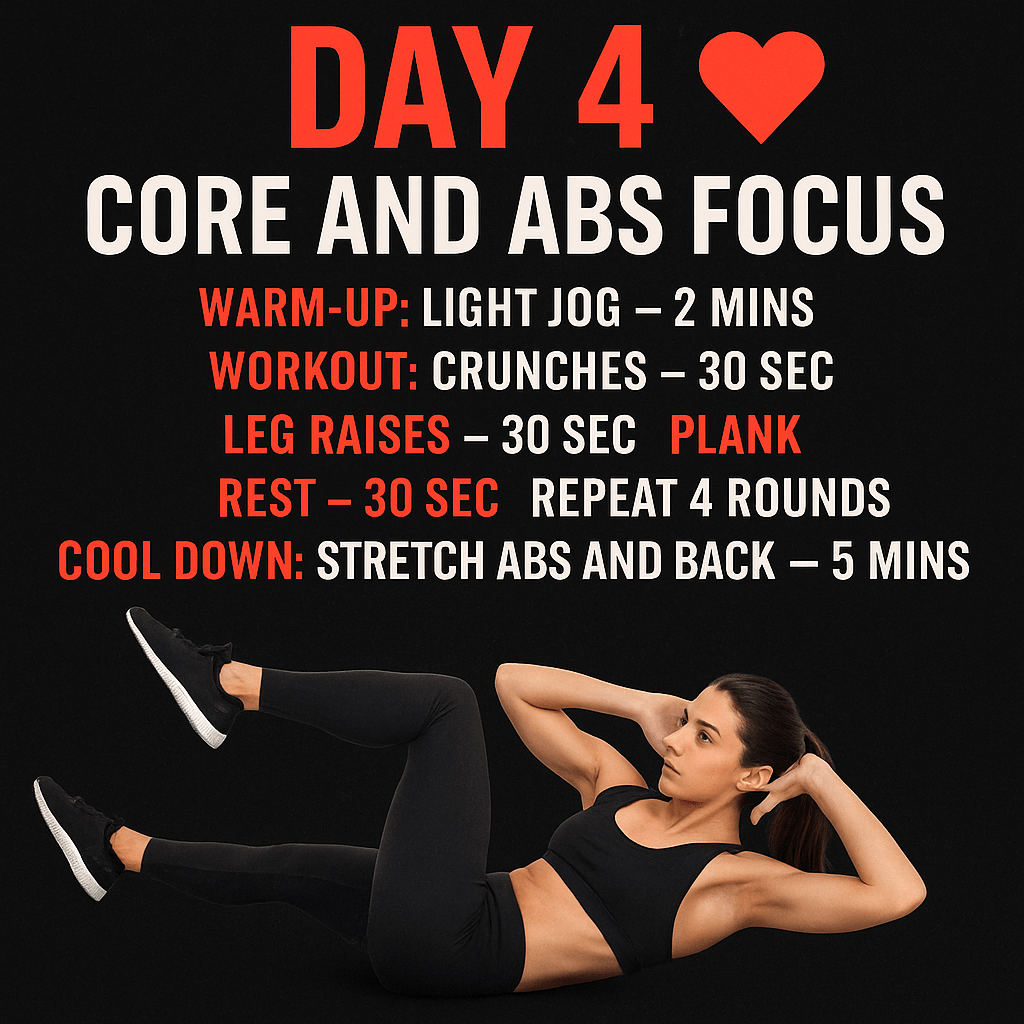
❤️ Day 4: Core and Abs Focus — Strengthen, Sculpt, and Stabilize

Welcome back to your fitness journey!
If you’ve been following along, you’ve already built strength in your upper body and legs.
Now it’s time to focus on your core and abs workout — the center of your power.

This core and abs workout doesn’t need fancy equipment. It’s short, effective, and builds the foundation for balance, posture, and strength. Whether you’re training for a toned stomach or better performance in your workouts, this plan will get you there — one rep at a time.


💥 Why Core and Abs workout Matter

core and abs workout

Your core isn’t just your abs. It includes your lower back, hips, and even muscles around your pelvis. Together, they form the powerhouse that supports every movement you make — from standing tall to lifting weights.

A strong core improves:

  • Balance and stability

  • Posture

  • Flexibility

  • Athletic performance

  • And yes, it helps sculpt that lean, toned midsection we all want

When your core is strong, everything else in your body works better.


🏃‍♀️ Warm-Up (2 Minutes)

Before jumping into the main workout, let’s wake up your muscles.

Warm-Up Plan:

  • Light jog – 2 minutes

Keep your pace easy. Move your arms naturally and breathe deeply.
This helps raise your heart rate and loosens your body before you hit the mat.


💪 Core and Abs Workout Routine (Repeat 4 Rounds)

Each exercise is 30 seconds of work, followed by 30 seconds of rest.
You’ll repeat the full circuit 4 times.
Remember: form first. Speed later.


🧩 1️⃣ Crunches (30 Seconds)

The classic move for your abs.
Lie on your back with your knees bent and feet flat on the floor.
Place your hands lightly behind your head.
Lift your shoulders off the floor, engaging your core.

Tips:

  • Don’t pull your neck.

  • Keep your lower back on the ground.

  • Exhale as you lift, inhale as you lower.

👉 Targets: Upper abs and obliques


🧩 2️⃣ Leg Raises (30 Seconds)

Lie flat with your legs straight.
Place your hands under your hips for support.
Slowly raise your legs to a 90-degree angle, then lower them down — but don’t let them touch the floor.

Tips:

  • Move slowly and with control.

  • Keep your core tight.

  • Avoid arching your back.

👉 Targets: Lower abs and hip flexors


🧩 3️⃣ Plank (30 Seconds)

This move looks simple — until you try holding it!
Rest on your elbows or palms, keep your body straight from shoulders to heels, and engage your core.

Tips:

  • Keep your back flat.

  • Don’t let your hips drop or rise.

  • Focus on your breathing.

👉 Targets: Entire core — abs, back, and shoulders


⏸️ Rest (30 Seconds)

Take a sip of water, breathe, and reset your focus.
You’ve got this.

Repeat the same circuit 4 rounds total for a full core and abs workout.


🧘‍♀️ Cool Down (5 Minutes)

After training your midsection, it’s important to relax your muscles and stretch them out.

Cool-Down Plan:

  • Cat-Cow Stretch – 1 minute

  • Cobra Stretch – 2 minutes

  • Child’s Pose – 1 minute

  • Standing Side Stretch – 1 minute

These stretches release tension from your abs and lower back, keeping you flexible and reducing soreness.


🧠 What Makes This Core and Abs Workout Effective

The reason this core and abs workout works so well is that it blends strength, control, and endurance.
You’re not just crunching — you’re stabilizing your entire body.

Here’s how it helps:

  • Crunches build definition and endurance.

  • Leg raises strengthen lower abs and hip control.

  • Planks engage your entire body and improve posture.

And because it’s a bodyweight routine, you can do it anywhere — at home, in a park, or even while traveling.


⚡ Common Mistakes to Avoid

Even simple exercises can go wrong if form isn’t right. Here’s what to watch out for:

  1. Arching your back during leg raises
    – Keep your lower back pressed to the floor to avoid strain.

  2. Pulling your neck during crunches
    – Your abs should lift your shoulders, not your hands.

  3. Holding your breath
    – Breathe steadily through each movement.

  4. Rushing the reps
    – Quality beats quantity. Controlled reps activate more muscle fibers.


🔥 Benefits of a Strong Core

Doing this core and abs workout regularly helps with more than just a toned stomach.
Here’s what you’ll notice after a few weeks:

  • Better posture throughout the day

  • Less back pain

  • Stronger, more stable movements

  • Easier balance in yoga or lifting sessions

  • Improved confidence in how you move and look

It’s not just about how your abs look — it’s about how they help you feel.


💡 Pro Tips for Faster Progress

Want results faster? Here’s how to make the most of your core and abs workout training:

  • Stay consistent. 3–4 times a week is ideal.

  • Combine with clean nutrition. Fuel your body with lean protein, veggies, and water.

  • Track your progress. Note your time, reps, and how long you can hold your plank.

  • Challenge yourself. Add side planks or bicycle crunches when you’re ready.

  • Listen to your body. Rest when needed. Recovery builds strength.


🧍‍♀️ Real Talk: The Core Is More Than Just Abs

When people think “abs,” they picture a six-pack.
But real core strength means being able to move better, lift better, and live better.

Everyday tasks — standing, sitting, walking — all rely on your core.
That’s why this core and abs workout focuses on strength from the inside out, not just outer looks.


💬 Stay Motivated

Here’s something to remember: progress takes time.
Even if you don’t see changes right away, your body is getting stronger every single session.
Celebrate small wins — maybe you held your plank longer today or did more crunches without stopping.

That’s progress. That’s growth. 💪


🏁 Conclusion

Day 4: Core and Abs workout Focus is your key to a stronger, more balanced body.
Keep your abs tight, your back straight, and your goals in sight.
You’re not just training muscles — you’re building control, power, and confidence.

Stick with it, and your core will thank you every time you move.

Now, go crush this core and abs workout, and get ready for what’s next in your fitness challenge. ❤️

upper body workout

🏋️‍♀️ Day 3: Upper Body Power workout — Take Your Strength to the Next Level

Ever felt that burn in your shoulders and arms after a solid upper-body workout?
That’s your muscles growing stronger — and today’s session is all about taking that strength to the next level.

upper body workout
upper body workout

If you’ve already crushed Day 3: Upper Body Workout, this one’s going to help you build power, tone muscles, and boost endurance — all using simple moves you can do anywhere.


💥 Focus of the Day: Upper Body Workout

Today’s goal: Improve upper body strength and control with slightly tougher, more focused exercises.
We’ll target the chest, shoulders, arms, and core — all in one quick, efficient routine.

Let’s jump in.


🔥 Warm-Up (3 minutes)

A good warm-up gets your blood flowing and muscles ready.
Don’t skip it!

Warm-up plan:

  • Arm circles – 1 min

  • Shoulder rolls – 1 min

  • Jumping jacks – 1 min

Keep your breathing steady. Feel that light stretch in your shoulders and arms — that’s perfect!


💪 Workout Routine (Repeat 4 rounds)

Each move hits your upper body workout from a different angle.
Work for 30 seconds per exercise, rest for 20 seconds between moves.

🧩 1. Incline Push-Ups


Find a bench or step.
Do controlled push-ups with your chest moving toward the surface.
This builds shoulder and chest power while keeping pressure off your wrists.

🧩 2. Triceps Dips

Incline Push-Ups
Incline Push-Ups


Use the same bench or step.
Keep your hands on the edge, lower your body slowly, then push back up.
It’s one of the best moves for triceps and arm strength.

🧩 3. High Plank Shoulder Taps

Triceps Dips
Triceps Dips

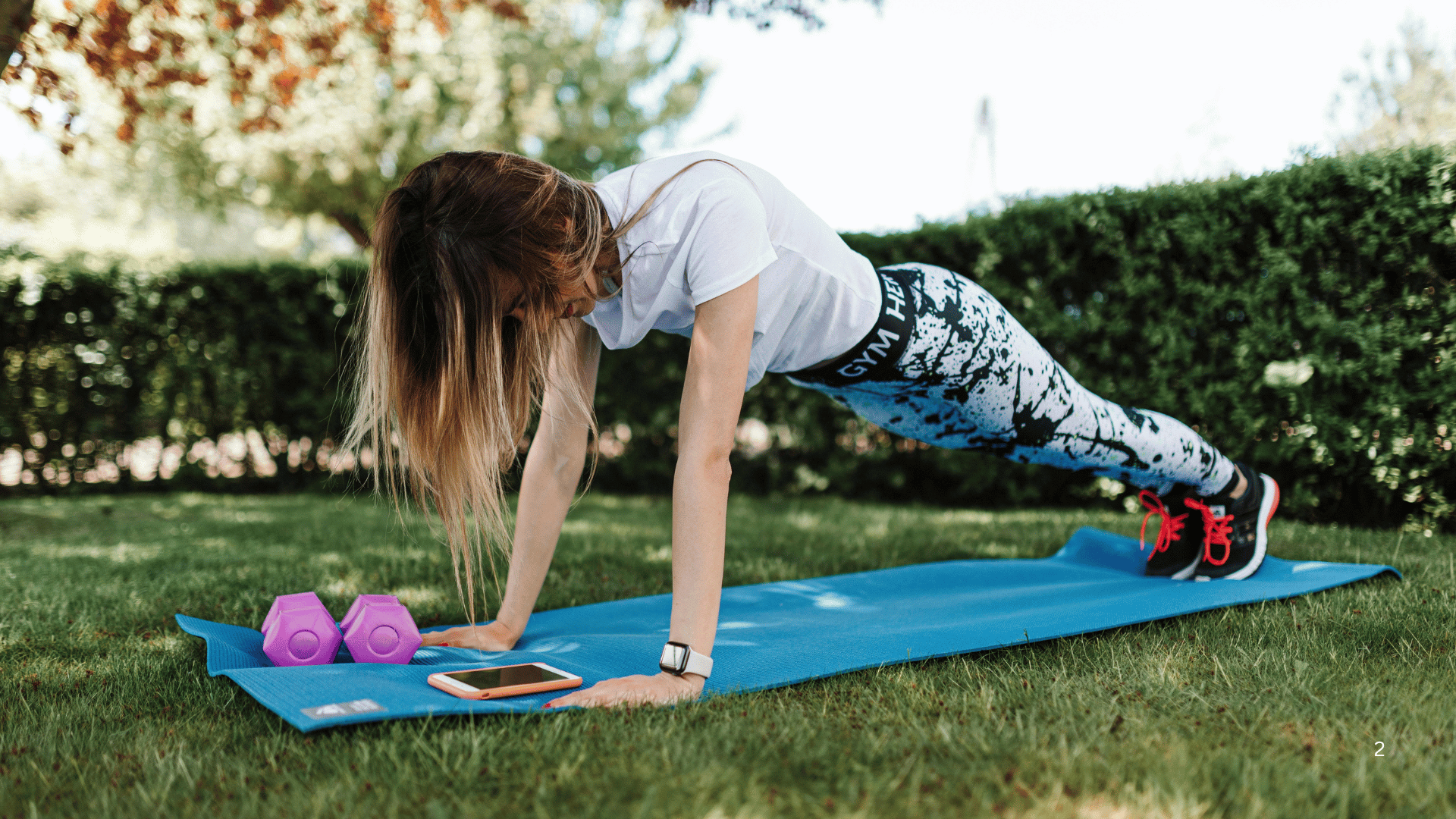
Get into a plank.
Tap your left shoulder with your right hand, then switch sides.
Keep your hips stable.
This improves core stability and upper body control.

🧩 4. Mountain Climbers

Drive your knees forward fast.
It’s cardio + core + shoulders all in one.
This helps increase endurance while toning your upper body.

🧩 5. Superman Hold

Lie face down, lift your arms and legs off the ground, and hold.
This move strengthens your back and shoulders, creating balance for your upper-body strength.

⏸️ Rest: 60 seconds between each round.


🧘‍♀️ Cool Down (5 minutes)

Stretching helps your muscles recover and prevents tightness.

Cool-down plan:

  • Arm and shoulder stretch – 2 mins

  • Chest opener stretch – 2 mins

  • Neck rolls – 1 min

Take deep breaths. Feel your body relax.
You earned it!


🧠 Why This Upper Body Workout Works

This upper body workout isn’t just about looks — it’s about building real, functional power.
It strengthens muscles you use every day — from lifting groceries to improving posture.

Consistency is key. Doing this routine three times a week will help you:

  • Build strong shoulders and arms

  • Tone your chest and upper back

  • Improve balance and stability

  • Boost stamina and confidence

And the best part? You don’t need a gym. Just your body weight and commitment.


🏁 Final Thoughts

If you’re serious about transforming your physique, this upper body workout is your foundation.
Keep pushing through the burn, stay consistent, and track your progress.

Every rep takes you one step closer to your strongest self. 💪

So, what are you waiting for?
Roll out that mat and let’s make those shoulders proud!

Upper Body workout is where you feel your power grow.
Your arms, shoulders, and core are working together — every rep counts.
Stick with this plan, and you’ll start to notice more tone, control, and confidence in your body.

Keep going — Day 4 is waiting, and your best version is closer than you think. 💪

the pure strength | girl doing cardio workout

🏋️‍♀️ Day 1: Full Body Fat Burning Cardio Workout at Home | 20-Min

Introduction

Welcome to Day 1 of your transformation journey!
Today’s session is all about a full body fat burning cardio workout that boosts energy, melts fat, and tones muscles — all from home.

This workout targets every major muscle group. It mixes strength and cardio moves for maximum calorie burn. The best part? You need no gym, no fancy gear — just commitment.

Let’s begin with your warm-up and move through the complete routine step by step.

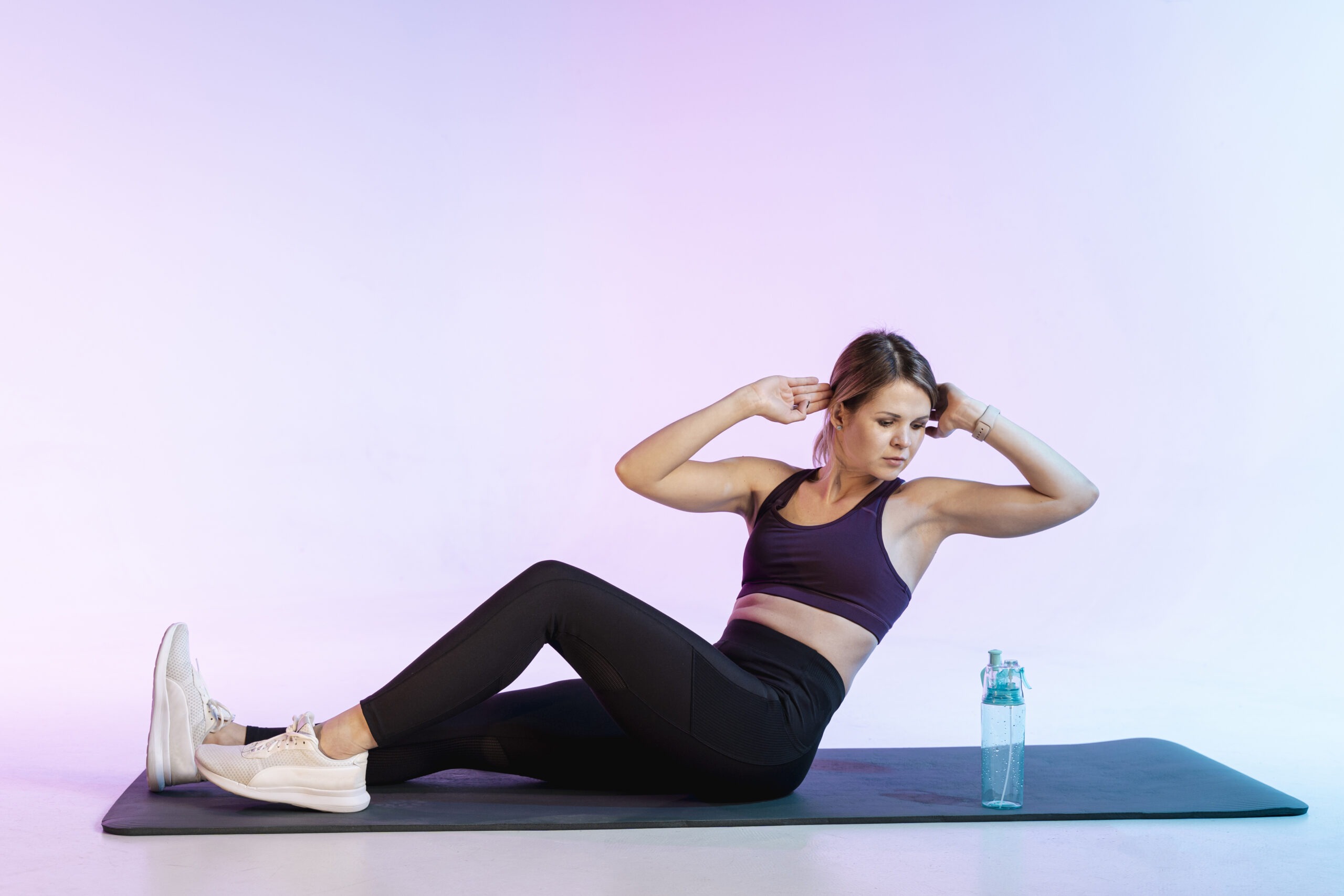
woman-mat-doing-abdominal-exercise | Day 1: Full Body Fat Burning Cardio Workout at Home | 20-Min Plan


🔥 Warm-Up (2 Minutes)

A good warm-up wakes your body and prevents injury.

  • Jumping Jacks – 2 Minutes
    Move your arms and legs wide, then back together. Keep your heart rate up.

Tip: Breathe through your nose and exhale through your mouth. Stay light on your feet.

Warming up before a full body fat burning cardio workout increases performance and helps muscles move freely.


💪 The Main Workout (Repeat 4 Rounds)

Now, it’s time to sweat!
Each round builds strength, stamina, and endurance. Take 30 seconds of rest between moves.

  1. Squats – 30 Seconds
    Keep your feet shoulder-width apart. Lower your hips until thighs are parallel to the floor.
    Focus: Engage your glutes and keep your chest up.

  2. Push-Ups – 30 Seconds
    Keep your body straight and your core tight. Lower down slowly and push back up.
    Focus: Builds arms, shoulders, and chest strength.

  3. High Knees – 30 Seconds
    Run in place, lifting your knees high toward your chest.
    Focus: Boosts heart rate and improves endurance.

  4. Rest – 30 Seconds
    Walk slowly and take deep breaths. Get ready for the next round.

Repeat this cycle four times.
By the end, your body will feel alive, warm, and powerful.


🧘 Cool Down (5 Minutes)

Cooling down after your full body fat burning cardio workout helps your body recover and reduces soreness.

  • Arm and Leg Stretch – 5 Minutes
    Stretch your hamstrings, calves, and arms. Hold each position for 15–20 seconds.
    Don’t rush — feel the muscles relax.

Tip: Stay hydrated and breathe deeply. This helps your heart rate return to normal and builds stamina for the next day.


💡 Why This Full Body Fat Burning Cardio Workout Works

This workout hits your upper body, lower body, and core in one go.
It burns calories fast while improving balance and strength.
The mix of bodyweight moves keeps your heart rate high, turning your body into a fat-burning machine.

Doing this full body fat burning cardio workout four to five times a week can:

  • Speed up metabolism

  • Improve body tone

  • Increase lung and heart strength

  • Boost daily energy

It’s short, effective, and perfect for people who want visible results without long hours.


🕒 Pro Tips for Better Results

  1. Drink water before, during, and after your workout.

  2. Eat a protein-rich snack after training to help recovery.

  3. Keep your workout space clean and open.

  4. Stay consistent — results come from daily effort.

  5. Sleep 7–8 hours to help your muscles rebuild.

Even a 20-minute full body fat burning cardio workout can change how you feel and look over time.


💫 Motivation to Stay Consistent

Every drop of sweat is proof of your progress. Don’t wait for the perfect moment — create it.
Your body is capable of amazing things when you train it daily.
Stay focused, move with purpose, and trust the process.
The pain you feel today will become your power tomorrow.

Remember, this full body fat burning cardio workout isn’t just about losing fat — it’s about gaining strength, confidence, and control over your body.
Show up, push hard, and keep going. You’re just getting started.

Keywords Used

(full body fat burning cardio workout, bodyweight cardio workout, home workout routine, beginner full body workout, cardio fat burn exercises, 20-minute fat burning workout, full body home workout, body fat burn routine, cardio exercises without equipment, fat loss full body plan)